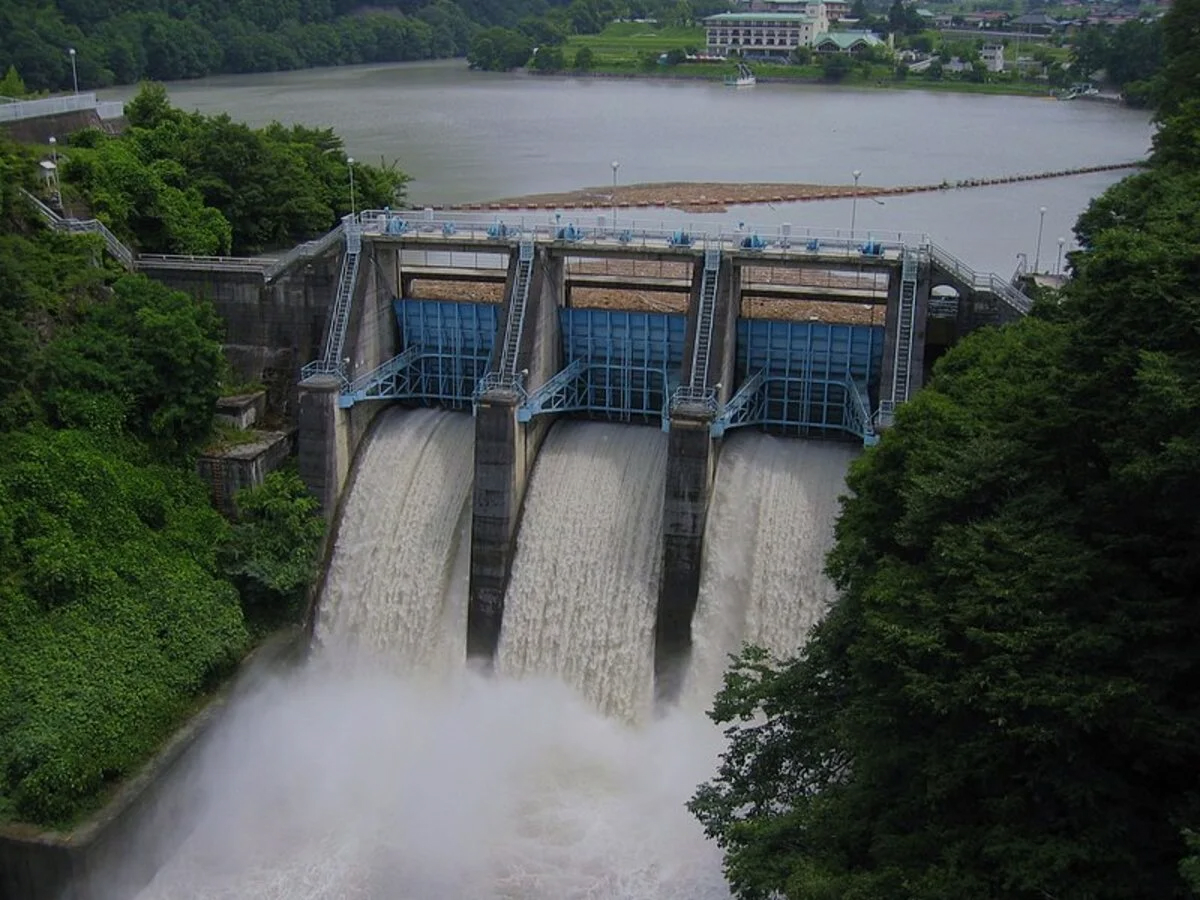
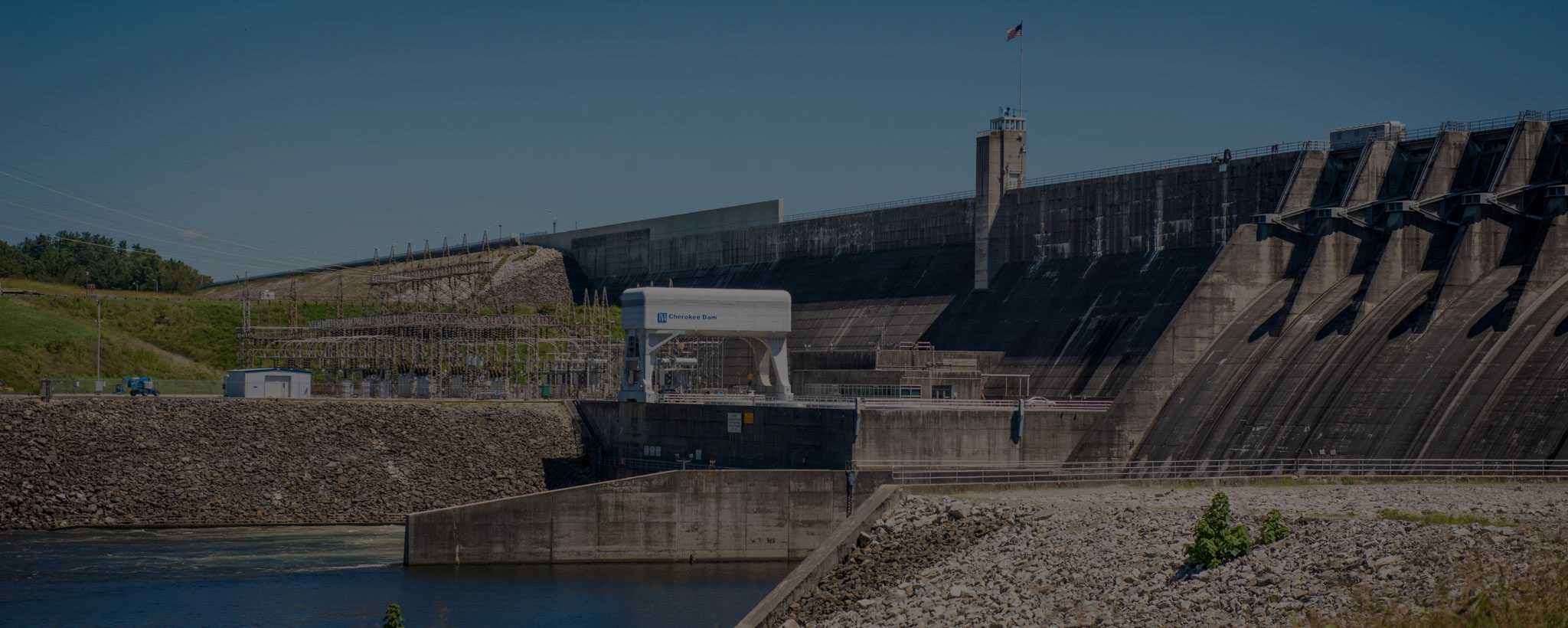
Dams are among the most critical infrastructure assets in the world,
playing a vital role in water storage, irrigation, hydroelectric
power generation, and flood control. Ensuring their structural
integrity and operational safety is essential to protect human life,
the environment, and economic resources. Modern dam monitoring
systems have become a key component in maintaining the reliability
and long-term performance of these structures.
Importance of Dam Monitoring
Over time, dams are exposed to various environmental and structural
stresses such as water pressure, seismic activity, temperature
variations, aging materials, seepage, and foundation movement.
Without continuous monitoring, small structural changes may go
unnoticed and gradually develop into serious safety risks.
Dam monitoring helps engineers and authorities assess the health of
a structure in real time, identify abnormal behavior at an early
stage, and take preventive actions before failures occur. It
supports data-driven decision-making and significantly improves
operational efficiency and safety management.
Common Dam Monitoring Methods
Modern dam monitoring systems use a combination of instrumentation,
sensors, and digital technologies to continuously observe
structural and environmental parameters.
1. Structural Instrumentation Monitoring
Specialized sensors are installed within the dam structure to
measure parameters such as:
- Displacement and deformation
- Crack movement
- Stress and strain
- Vibration and seismic activity
- Uplift pressure
These instruments provide accurate insights into the structural
behavior of the dam under different operating conditions.
2. Seepage and Water Pressure Monitoring
Monitoring seepage is critical for detecting internal erosion or
foundation issues. Instruments such as piezometers and seepage
measurement systems help track:
- Water pressure inside the structure
- Leakage flow rates
- Groundwater behavior
Early detection of abnormal seepage can prevent major structural
failures.
3. Geotechnical Monitoring
Geotechnical systems monitor the stability of slopes,
foundations, and surrounding soil conditions. These methods
include:
- Inclinometers
- Settlement gauges
- Ground movement sensors
They help identify land movement and stability concerns around
the dam site.
4. Remote and IoT-Based Monitoring
Modern dam monitoring increasingly relies on IoT-enabled sensors
and cloud-based platforms that provide:
- Real-time data acquisition
- Remote monitoring access
- Automated alerts and notifications
- Historical trend analysis
- Centralized dashboards
These systems allow engineers and authorities to monitor dam
performance from anywhere and respond quickly to critical
situations.
5. Surveillance and Visual Inspection Systems
CCTV surveillance, drones, and AI-assisted visual inspection
technologies are also used to monitor surface conditions,
unauthorized access, and visible structural changes. These tools
improve inspection efficiency and reduce manual effort.
Improving Reliability and Safety
An effective dam monitoring system improves infrastructure
reliability by enabling continuous observation of operational
conditions and structural performance. Instead of relying solely
on periodic inspections, authorities gain access to real-time
intelligence that supports proactive maintenance and risk
management.
The key benefits include:
Early detection of structural abnormalities
Reduction in operational and safety risks
Improved emergency preparedness
Enhanced decision-making through accurate data
Extended lifespan of dam infrastructure
Regulatory compliance and reporting support
Increased public and environmental safety
Real-time monitoring systems also reduce downtime and maintenance
costs by identifying issues before they become critical.
The Future of Dam Monitoring
With advancements in IoT, cloud computing, artificial
intelligence, and data analytics, dam monitoring systems are
becoming smarter, more connected, and highly predictive.
Future-ready monitoring platforms will not only detect issues but
also forecast potential risks using predictive analytics and
automated intelligence.
As infrastructure safety becomes increasingly important,
intelligent dam monitoring solutions will continue to play a
crucial role in ensuring sustainable water resource management and
protecting communities.
Modern dam monitoring is no longer just an engineering requirement
- it is a strategic investment in safety, reliability, and
long-term infrastructure resilience.